St. Petersburg’s Cultural and Culinary Comeback (2)
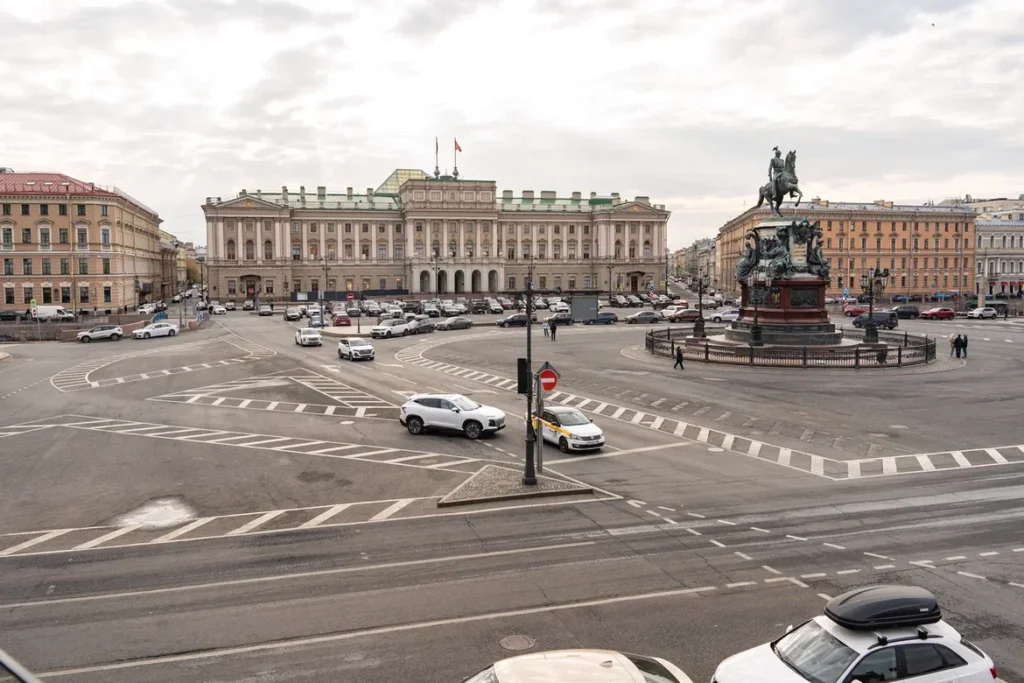
St. Petersburg is a city where history and contemporary creativity exist side by side. From heritage architecture and iconic cultural institutions like the Hermitage and Mikhailovsky Theatre to emerging food festivals and experimental culinary spaces, the city is reinventing itself.
Founded by Peter the Great in 1703, St. Petersburg is a city where history feels alive. It cooks, designs, performs and reinvents itself each day. A gym styled like a neoclassical palace and a pastry contest judged by Michelin trained chefs sit comfortably beside graceful canals, broad streets and rows of old colourful buildings. Church domes shimmer above the skyline, bridges rise and fall with passing boats and the streets hum with cafés and small bakeries. Everywhere you look, the city’s creativity feels present and effortless.
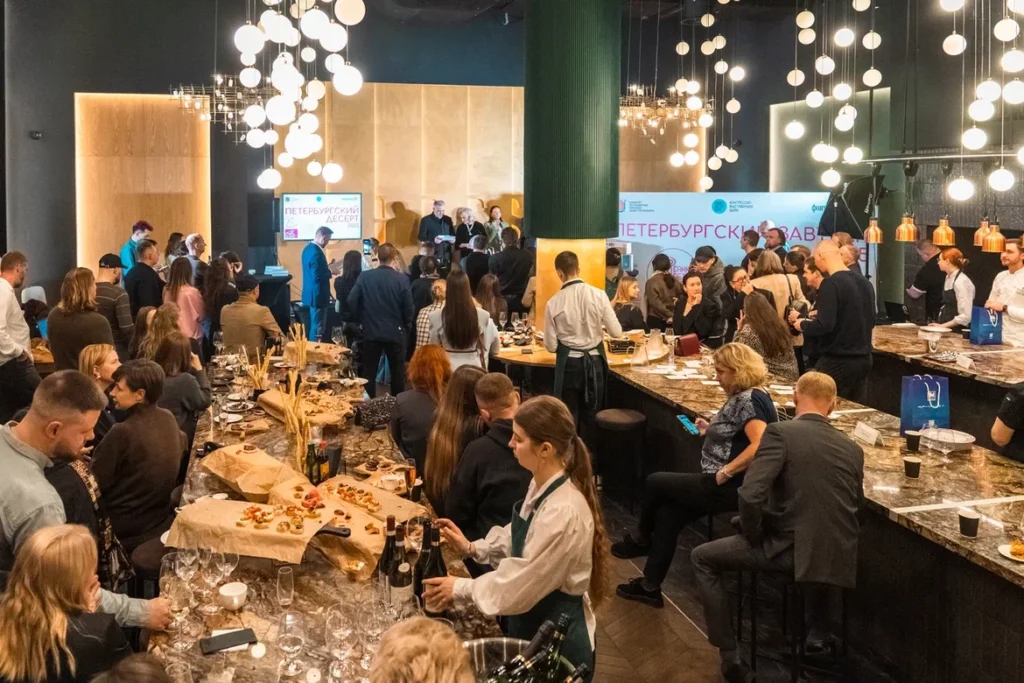
On a recent trip to St. Petersburg, one of the most memorable experiences I had was at the Petersburg Breakfast, a festival organised by the Saint Petersburg Convention Bureau. The event brings chefs, bakers and restaurants together to rethink what a traditional city breakfast can be. Everyone at the event was so well dressed and the city’s local representatives were present to award the best chef with prizes. Its Petersburg Dessert contest asked pastry chefs to create sweets inspired by the city itself. Many drew on architecture, memory and local flavours, turning desserts into miniature stories.

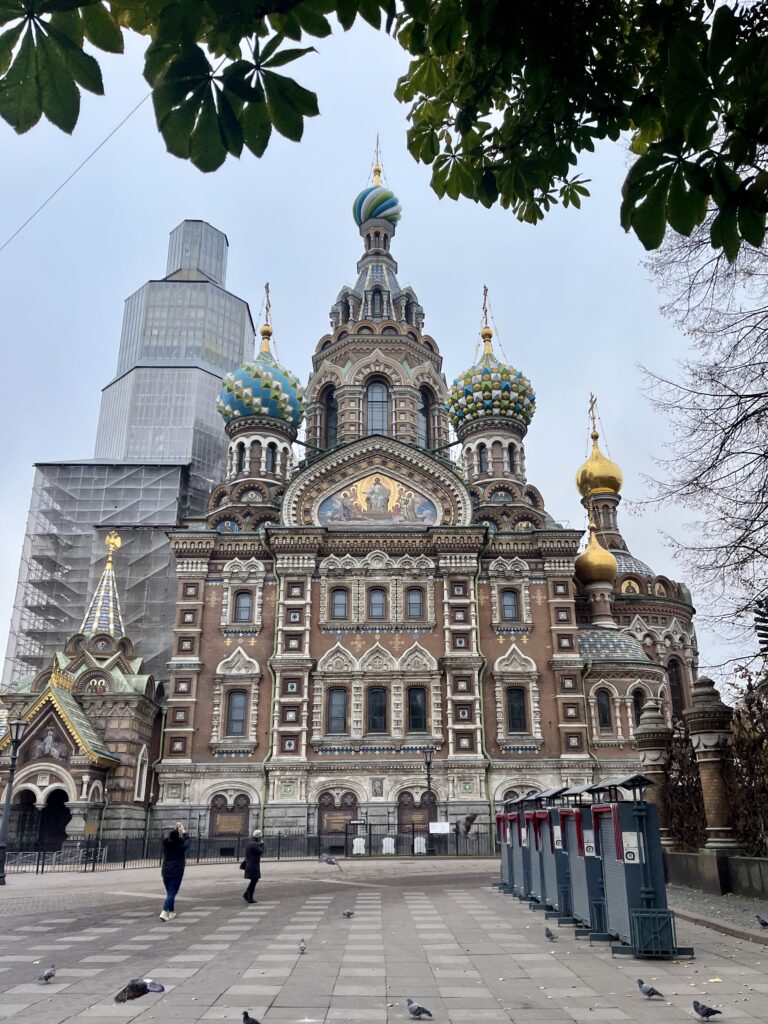
A stroll through the city feels like being surrounded by history. Among its architectural treasures, the Church of the Saviour on Spilled Blood stands out as a jewel of Russian Revival design. Its bright domes and intricate mosaics blend art and spirituality, and the church marks the site where Alexander II was assassinated, which is how it got its name. This same creative pulse runs along Nevsky Prospekt, the city’s busiest street, lined with cafés, souvenir shops, bakeries and historic facades that keep the street constantly alive.
Those looking for a glimpse of St. Petersburg’s refined, old-world charm will find it in its iconic hotels. Heritage and modern life blend smoothly at the Hotel Astoria, where a piano bar, winter garden and grand ballroom now host international conferences, weddings and cultural events. The hotel is also tied to a wartime legend: Hitler is said to have planned his victory banquet here if Leningrad fell. It never did, and Astoria remains a symbol of resilience. Next door, the Angleterre Hotel carries the city’s artistic spirit through its intimate in-house cinema, restored and reopened in 1991, welcoming Madonna as one of its first guests.
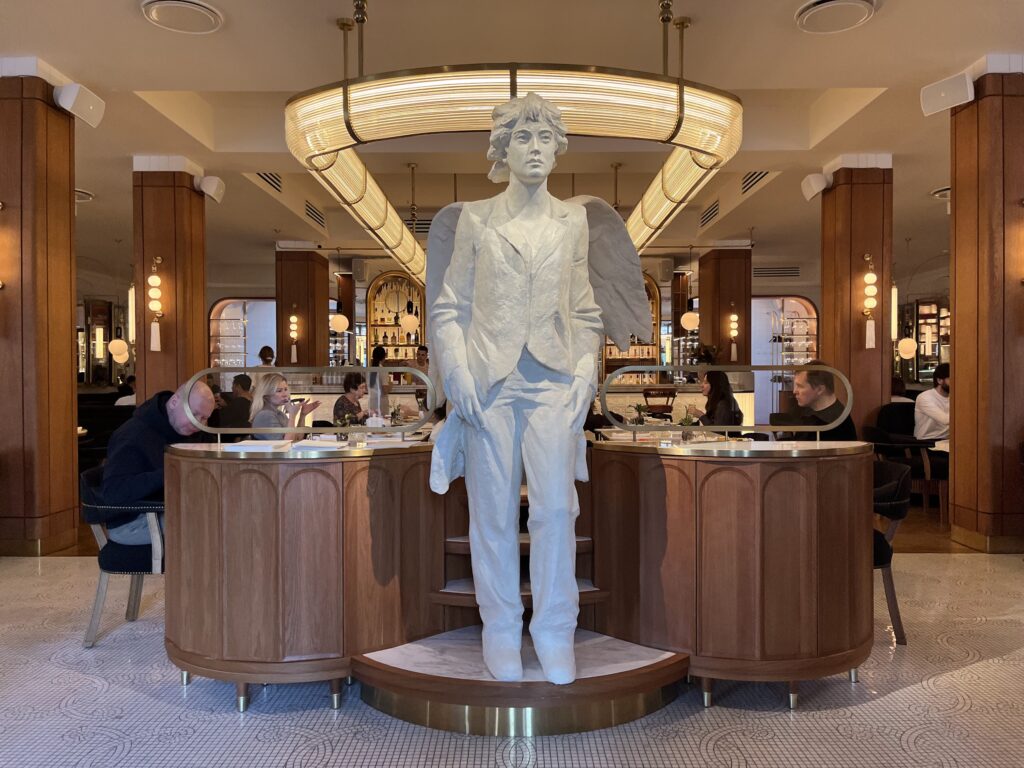
St. Petersburg’s reinvention is equally clear in its arts institutions. The Manege Central Exhibition Hall, once an Imperial Horse Guards riding arena, is now the city’s largest art space. Nearby, the Mikhailovsky Theatre continues to draw full audiences, its recent production of the Notre Dame de Paris ballet played to full houses and sold out in no time. With ticket prices ranging from 5,000 to 20,000 rubles. With young artists and designers steadily arriving in the city, there is always a new exhibition or gallery to explore.
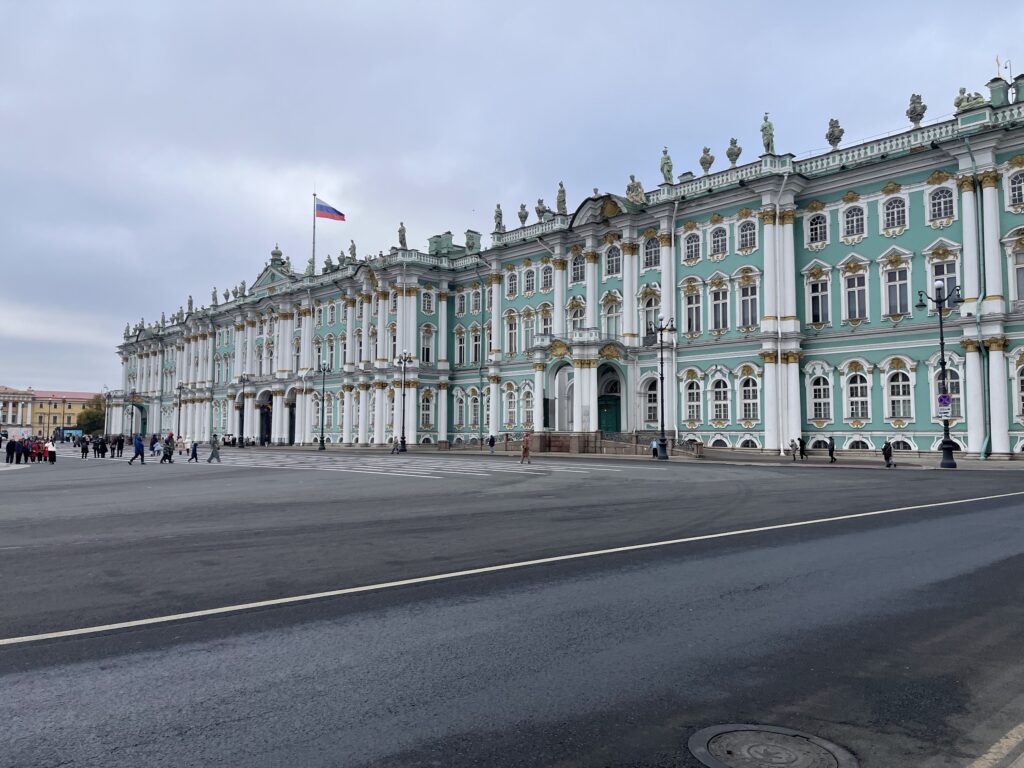
The Hermitage Museum holds more than three million objects, making it one of the world’s largest museums. At a pace of one minute per object, it would take around 11 years to see everything. After a major fire in the 1970s, the museum was restored in under a year, a reminder of the city’s deep commitment to preserving its cultural treasures. Walking through its endless halls reveals Afghan vases, Egyptian artefacts and European masterpieces, each carrying a fragment of the world’s history.
As my guide Maria Zotova says, “the city’s severe climate inspires creativity. It reminds people of the great Russian writers and sculptors who worked here and of the depth of our cultural heritage.”
Beyond its grand museums and iconic cultural sites, the city is also broadening its culinary landscape. Indian restaurants serving paneer tikka and biryani are increasingly popular among locals and tourists, though Russian classics remain central. At the traditional Katyusha Restaurant, a simple spread of soup, dumplings, cabbage salad, dried-fruit kompot (traditional boiled fruit drink) served by waitresses in floral dresses, reflect the warmth the city is known for.
In a city shaped by emperors, artists and long winters, reinvention comes naturally. St. Petersburg continues to grow not by letting go of history, but by carrying it into the future, one plate, one performance and one building at a time.